Industry Education

---------------------------------------------------------------------------------------------------------------------------------------------------------------------------------------
| 04/10/17 |
--------------------------------------------------------------------------------------------------------------------------------------------------------------------------------------- |
|||||||||||||||||||
| 07/07/16 | 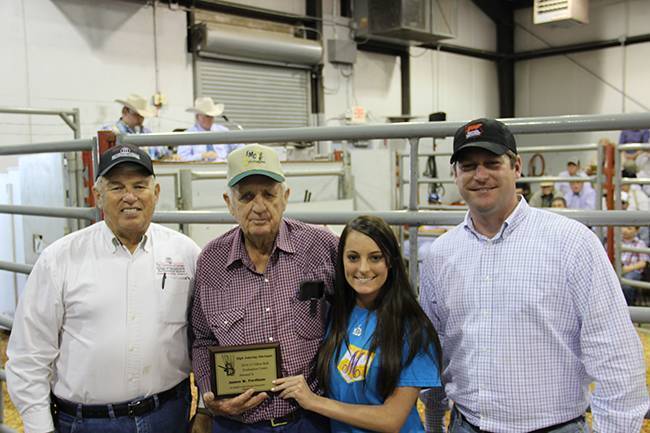 James Fordham ,Tifton High Indexing SimAngus Bull . Also Johnny Owen , High Indexing Simmental Bull (Picture not available ).  Three J Farms High Indexing Simmental & SimAngus Bulls 2014 Calhoun Bull Test |
|||||||||||||||||||
| 01/11/16 | 2015 GSSA Annual Meeting & Banquet
|
|||||||||||||||||||
| 03/03/15 |
|
|||||||||||||||||||
| 07/30/14 | Summer Fly Control
Research has shown that when flies are controlled nursing calves will gain 1/3 lb more per day than when there is no fly control . If you use Fly Tags to control flies your cost will be about $6.75 per cow/calf pair . This is based on using 2 tags for the cow and one for the calf and tags costing about $2.25 each . This is a return of over $50 per calf . If tags are used always use 2 per cow and one for the calf to get good control . Remember to remove the tags at the end of fly season to prevent flies from building resistance to certain chemicals .Always switch chemicals each year . Other methods can also be used such as spraying , back-rubbers and certain pour-ons . Consult your local vet for additional information relating to controlling flies.
|
|||||||||||||||||||
| 07/15/14 | GSSA Supports Beef Industry Scholarship Challenge Spring Forage and Wildlife Newsletter |
|||||||||||||||||||
| 05/28/14 |
|
|||||||||||||||||||
| 01/16/13 | Pennington's Fall Newsletter View PDF - click here! |
|||||||||||||||||||
| 12/12/13 | Gearing Up For Winter Grazing View PDF - click here! |
|||||||||||||||||||
| 03/26/13 | 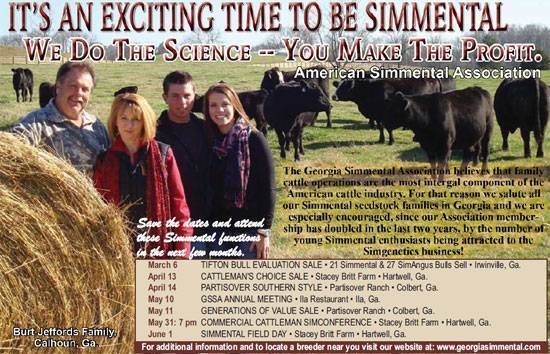 Click on ad to enlarge |
|||||||||||||||||||
| 08/28/2012 |
|
|||||||||||||||||||
| 07-09-12 |
|
|||||||||||||||||||
| 07-09-12 |
|
|||||||||||||||||||
| 05-21-12 |
|
|||||||||||||||||||
| 05-15-12 |
|
|||||||||||||||||||
 |
Pennington Forage News Spring 2012 View PDF - click here! |
|||||||||||||||||||
| 04-13-2012 |  Click Here To View |
|||||||||||||||||||
| 02-09-2012 | Getting Ready For The Fall Breeding Season |
|||||||||||||||||||
Pennington Winter Forage Newsletter |
||||||||||||||||||||
| 01-12-2012 | Farm Ear Tag Design 1- Ear Tags along with tattoes are the most used forms of ID in beef cattle. The tags shown are one example of designing tags that give you quite a bit of information but are no means the only way. 2- The first data listed is the year, followed by the Sire's name ( abbreviated ), followed by the Dam's number, followed by the calf's official number. Example Y1 means the calf was born in 2011 and was the first calf born on the farm. The letter Y is the alphabet letter used for calves born in 2011. 3 - The Y3 calf was born in 2011, sired by Sure Bet, his dam was S4 and his number is Y3. If this was a heifer and retained as a replacement this information would stay with her for life. On the back of these tags is the actual birthdate and the calf's official registration name. |
|||||||||||||||||||
| 01-12-2012 | Limit Creep Feeding 1 -- Milk production in lactating cows begins to decline when calves reach 3 - 4 months of age . Calves then depend on forage or feed to meet their nutritional needs . 2-- Limit creep-feeding is a way to get extra protein and energy in calves when they are 3 - 4 months old . Limit feeding them keeps feed-costs under control . 3. If you are a seedstock producer weight per day of age is an important factor in marketing yearling bulls so a little extra feed can push calves along . 4. A creep gate can be built from materials on the farm . Usually 2 inch galvanized pipe is used . Vertical bars need to be 22 inches apart . An adjustable , vertical bar is also handy as it can be adjusted to keep yearling heifers or older cattle out of the creep area . Old farm gates or panels can be used to make the feeding area . 5. Rations for calves can vary but Bull Test feeds are good and some use soyhull/corn glutten pellets . Feed about 1% of the calves body weight and adjust as the calves get older and/or the desired condition and gains desired . If you full-feed you are defeating the purpose of having a Limited Creep Feeding system . |
|||||||||||||||||||
| Pennington Winter Forage Newsletter | ||||||||||||||||||||
Pennington's Fall Forage Newsletter (PDF) - click here! |
||||||||||||||||||||
| 09-19-2011 | Montana Stockgrowers Association |
See more from Bill on Beef at |
||||||||||||||||||
| 09-06-2011 | Montana Stockgrowers Association |
See more from Bill on Beef at |
||||||||||||||||||
| 08-30-2011 | Montana Stockgrowers Association |
See more from Bill on Beef at |
||||||||||||||||||
| 08-03-2011 | Water Requirements and Quality Issues for Cattle (Click here to view PDF) |
|
||||||||||||||||||
| 08-01-2011 | Yon Family Farms Weaning/Preconditioning Method (Click here to view PDF) |
|
||||||||||||||||||
| 06-20-2011 | ASA/SimTalk Directory (Click here to view PDF) |
|
||||||||||||||||||
| 06-10-2011 | 2011 BIF Annual Research Symposium and Annual Meeting • Bozeman, Montana |
|
||||||||||||||||||



.jpg)


.jpg)
.png)


.jpg)


